Beat the winter blues with some fun DIY Musical Instruments projects to keep you busy and enhance your music studio. Here is my list of winter projects to choose from. I wanted to include a wide list of projects, varying from easy to intermediate difficultly. Here is a list of projects I'm currently interested in. The complete steps for each project won't be covered, but I will list helpful resources and links for each project. As well as the tools and BOM materials you may need. Have fun and make an instrument or tool unique to your music studio and sound. What DIY synth or DIY Musical instruments projects are you working on right now?
Experimental DIY Musical Instruments Projects:
Before we begin, some of these projects require soldering. If you have little or no experience soldering. I highly recommend watching this youtube video. Probably one of the best introductions to proper soldering on youtube:http://youtu.be/I_NU2ruzyc4 - How and WHY to Solder Correctly
- Build Your Own Contact Microphone
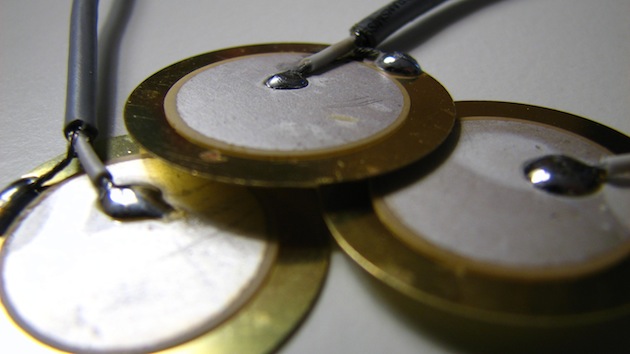
Difficulty Level: Easy
Building your own contact microphone can be very rewarding. It is very quick and easy to make, and instant gratification when you first plug it into to amplify your acoustic guitar or other percussive and acoustic instruments. These are great for acoustic guitar pickups, Drum/Percussion Triggers, Underwater Microphones, Clip-on Microphones.
Resources and Links:
http://home.earthlink.net/~erinys/contactmic.html - furious contact microphone assembly
http://nickstutorials.com/building-a-contact-microphone/ - Building a contact microphone
http://suite101.com/a/get-better-sound-from-piezo-mics-and-pickups-a72764 - get a better sound from piezo mics and pickups
Tools and Materials:
For the Piezo element you can go to Radio Shack and find these usually for super cheap if they have them in stock. There are also larger elements available online that have a wider frequency response such as these: Piezo Tranducer 3 Pack.
For project soldering you may want to use a decent 40W soldering iron.
For attaching the contact microphone try double sided tape or Adhesive Putty depending on what you are attaching it to.
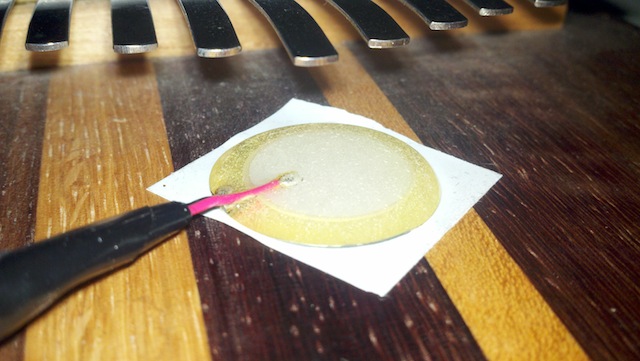
Here is a pic of the contact microphone I made last winter to record the Contact Space Kalimba:
- Build your own Spring Reverb
Difficulty Level: Easy
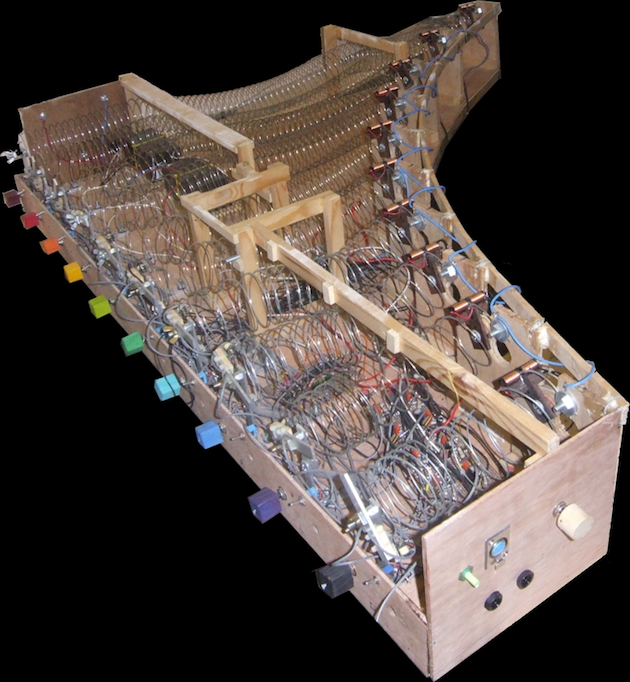
When it comes to Analog Reverb there are a few options which have become mainstays of recording studios. Plate Reverbs, Spring Reverbs, and Echo Chambers (room reverb). While a plate reverb is on my TODO list, the weight and size of this makes it difficult for most musicians. Echo Chambers are great too if you have the space to convert a room into one, but is also not a viable option for many. Spring reverbs are compact, affordable, and plain fun.
Resources and Links:
http://www.instructables.com/id/DIY-Spring-Reverb/ - DIY Spring-strcutable
http://www.solorb.com/elect/musiccirc/reverb2/ - Guitar Spring Verb Schematic
http://nicksworldofsynthesizers.com/springs.php - Giant Reverb of 10 Slinkys
http://www.paia.com/proddetail.asp?prod=6740K - Hot Springs For the Serious
Tools and Materials:
You'll need a large spring, or slinky. There are springs inside of old electric organs, check your local classifieds, craigslist, or waste transfer center, you may be able to find a decent reverb tank for free! If you are after a smoother reverb you can also find some pro spring tanks with 3 or more springs.
Other misc items you may need. Glue gun, drill, saw, etc. Depending on spring tank you wish to build.
- Hack A Korg Monotron
Difficulty Level: Easy-Intermediate
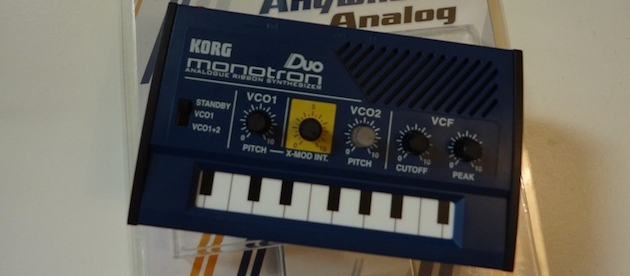
These fun synth nerd toys have been out on the market for a while. They are known to be an easy synth to hack and modify because Korg labelled all of the interesting points on the bottom side of the PCBs! Korg designers perhaps anticipated that these little machines would be hacked.
Resources and Links:
http://www.dinsync.info/2010/06/how-to-modify-korg-monotron.html - How to Modify Korg Monotron
http://www.instructables.com/id/Monotron-Hack-with-a-Baby-8-Sequencer-CV-and-Gat/ - Monotron Hack with a Baby-8 Sequencer
http://korgc383.tempdomainname.com/Product/Dance/monotron/welove/ - We Love Monotron
http://youtu.be/dF8skIOXp24- We Love Monotron Video Link (great for viewing example modifications).
Tools and Materials:
Pick your favorite Monotron to hack. Then you'll need wire, soldering iron, and a chassis if you want to make your hack patchable.
- Build Your Own Arduino MIDI Controller
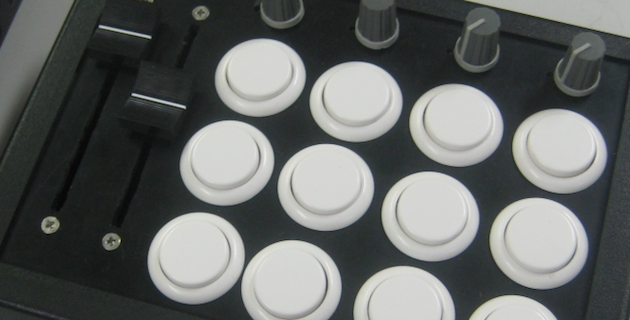
Why not build a custom MIDI controller to fit your setup, and cater to your specific musical ideas. "Musical ideas are prisoners, more than one might believe, of musical devices." - Pierre Schaeffer. The MIDI library for arduino has matured very nicely, and there are easy to follow instructions for example MIDI controls that use faders, buttons, arcade buttons, and old musical toys.
Difficulty Level: Intermediate-Advanced
Resources and Links:
http://playground.arduino.cc/Main/MIDILibrary - Arduino MIDI Library
http://www.instructables.com/id/Arcade-Button-MIDI-Controller/ - Instructable Arcade Button MIDI Controller
http://www.keyofgrey.com/2009/06/midibox-awesome-diy-midi-controllers/ - MIDIBox awesome DIY MIDI Controllers
http://scottmetoyer.com/radix16-laptop-touchpad-matrix-midi-controller - x16 touchpad matrix MIDI controller
http://www.rogerlinndesign.com/new-musical-instruments.html - Roger Linn's New Musical Instruments Resources
Tools and Materials:
The Arcade MIDI controllers and other fader style boxes I've seen use an Arduino UNO R3 or Arduino Mega 2560 or Clone. You may want to spec out yours depending on what you need for input.
USB Cable connector
Plastic, metal, or wood enclosure.
N Potentiometers and Pot knobs
Sanwa Arcade Buttons Comes in different colors, Nice!
Drill, soldering iron, wire stripper, small gauge wire, needle-nose pliers.
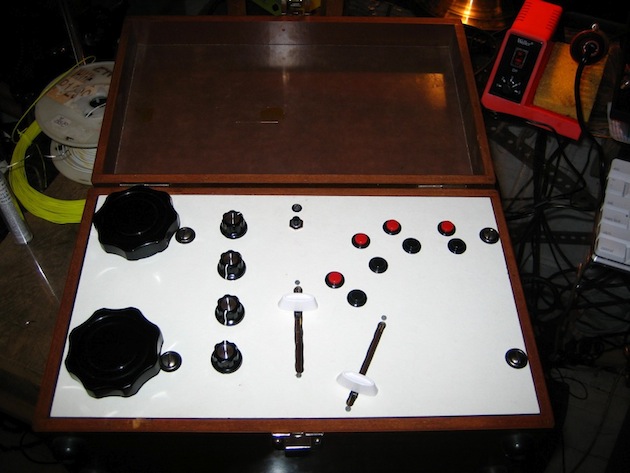
Photo Credit: jasonrkramer
- Hack a MeeBlip
Difficulty Level: Intermediate-Advanced
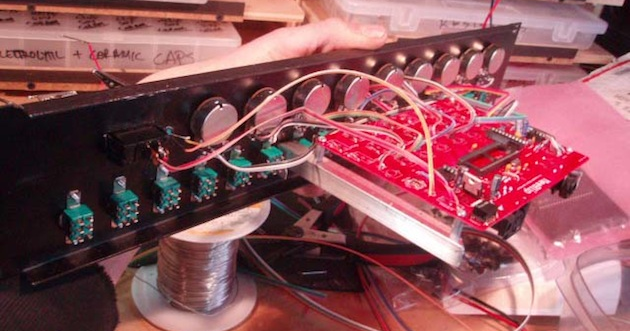
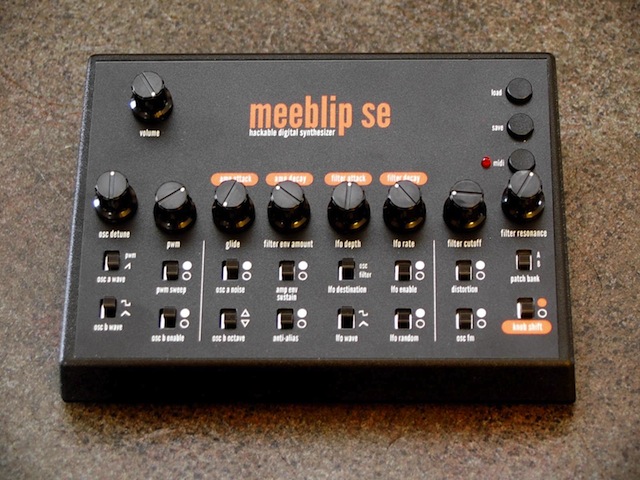
This is a project I've been wanting to take on for a while. The new MeeBlip Anode brings with it analog filters to control! The MeeBlip micro packs should be available soon. Check http://meeblip.com/get-one/ often and sign up for the mailing list if interested. The Micros are the full MeeBlip synth in a compact pre-assembled board, then you get to build your controller and case around it. This project pairs well with the above 'build your own MIDI controller' project from above.
Resources and Links:
http://www.instructables.com/id/Designing-and-building-an-synthesizer-with-Meeblip/ - Impressive meeblip synthesizer build
http://synthdrome-studios412.blogspot.com/2012/01/over-edge.html - Synthdrome Meeblip Enclosure Mod
http://meeblip.com/ - Meeblip Homepage
Tools and Materials:
A MeeBlip!
Other materials depend on your specific project scope and size. The instructable above gives a good summary of the tools needed.
- Make Your Own Field Recording Sample Library
 Photo Credit: rolvr_comp
Difficulty Level: Easy
Field recording for your own music can be very rewarding for the time put in. Making your own collection of ambient and found sounds sets your music apart and makes it unique. This project is also great for the winter to get out in the fresh air, long trips for sound recording can also be inspiring for new musical ideas. Also portable recorders come in handy if you just want to record acoustic guitar or other sounds quickly while being away from your computer. This may also be a good time to put those piezo contact microphones to good use!
Resources and Links:
http://www.musicofsound.co.nz/blog/category/field-recording - Tim Prebble's excellent blog
http://www.quietamerican.org/links_diy-rec_tips.html - DIY Recording Tips
http://www.cvrgoje.com/blog/practical-guide-field-recording-part-1 - Practical Guide Field Recording
Tools and Materials:
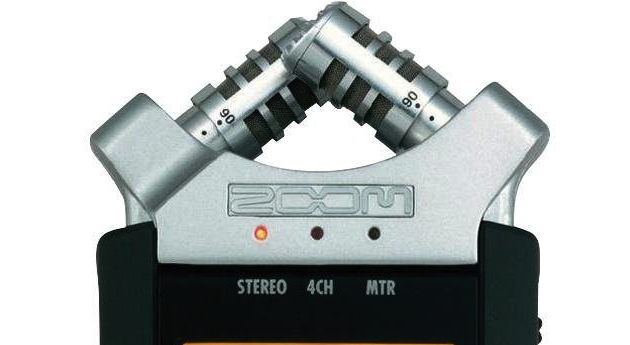
Portable recorders have come a long way in the past few years. Especially the handheld models now available. For my basic recordings I use the ZOOM H4N. I've seen others make really superb recordings with even more basic ZOOM H1 Portable Recorder. Just depends on the scope of your recording project.
A decent pair of closed back headphones can go a long way. Find ones that fit your budget. Closed Back Headphones
- Make An Analog Synthesizer! (Noise Toaster)
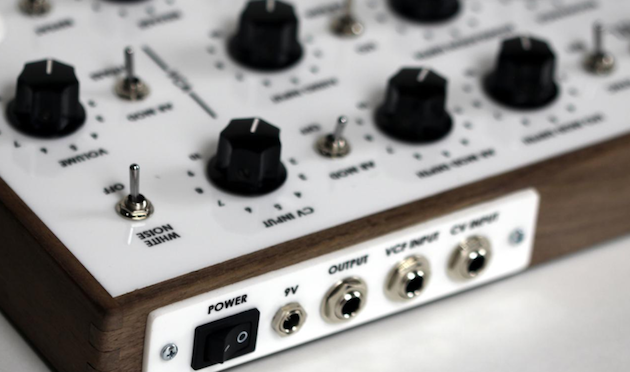 Photo Credit: Brendan Byrne
Difficulty Level: Intermediate-Advanced
I've been wanting to start making my own analog synth modules for a few years. Now with the analog revolution going on from vendors there are many appealing options to choose from. The O'Reilly Publishing "Make: Analog Synthesizers" book by Ray Wilson makes building your own analog feel very accessible for any skill level. Subtractive synthesis is great for sound design purposes, making your own samples, percussion, and sweeps. This one looks very exciting to build. I'm starting with this one for the winter, I'll update progress as it develops.
Resources and Links:
http://www.musicfromouterspace.com/index.php?CATPARTNO=&PROJARG=ELECTRONICS%2Fanalogsynth101.html&MAINTAB=SYNTHDIY&SONGID=NONE&VPW=1429&VPH=680 - Music From Outer Space Analog Synth 101
http://www.doepfer.de/DIY_Synth_e.htm - Doepfer DIY Synth Page
http://www.paia.com/ - Paia Kits
Tools and Materials:
Highly recommend reading Make: Analog Synthesizers especially for beginning. This covers basic tools needed for your analog synth workbench. Very easy to follow, the author provides BOM as well for sourcing materials for various electronic component vendors.
You'll also want a decent Multimeter.
Setup your own synth DIY studio based on your budget. Plan ahead for parts and tools for larger projects.
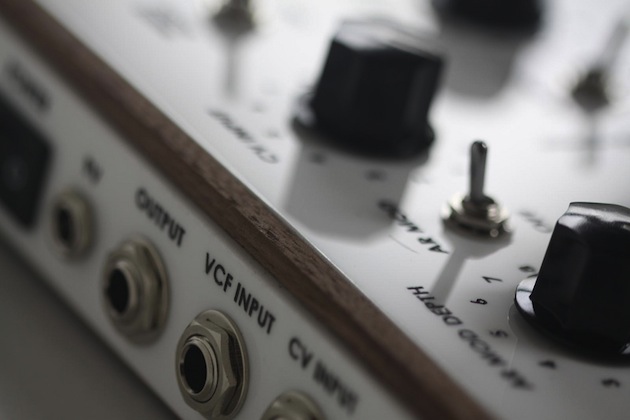
Photo Credit: Byrne Byrne
That is definitely quite interesting, thanks.